
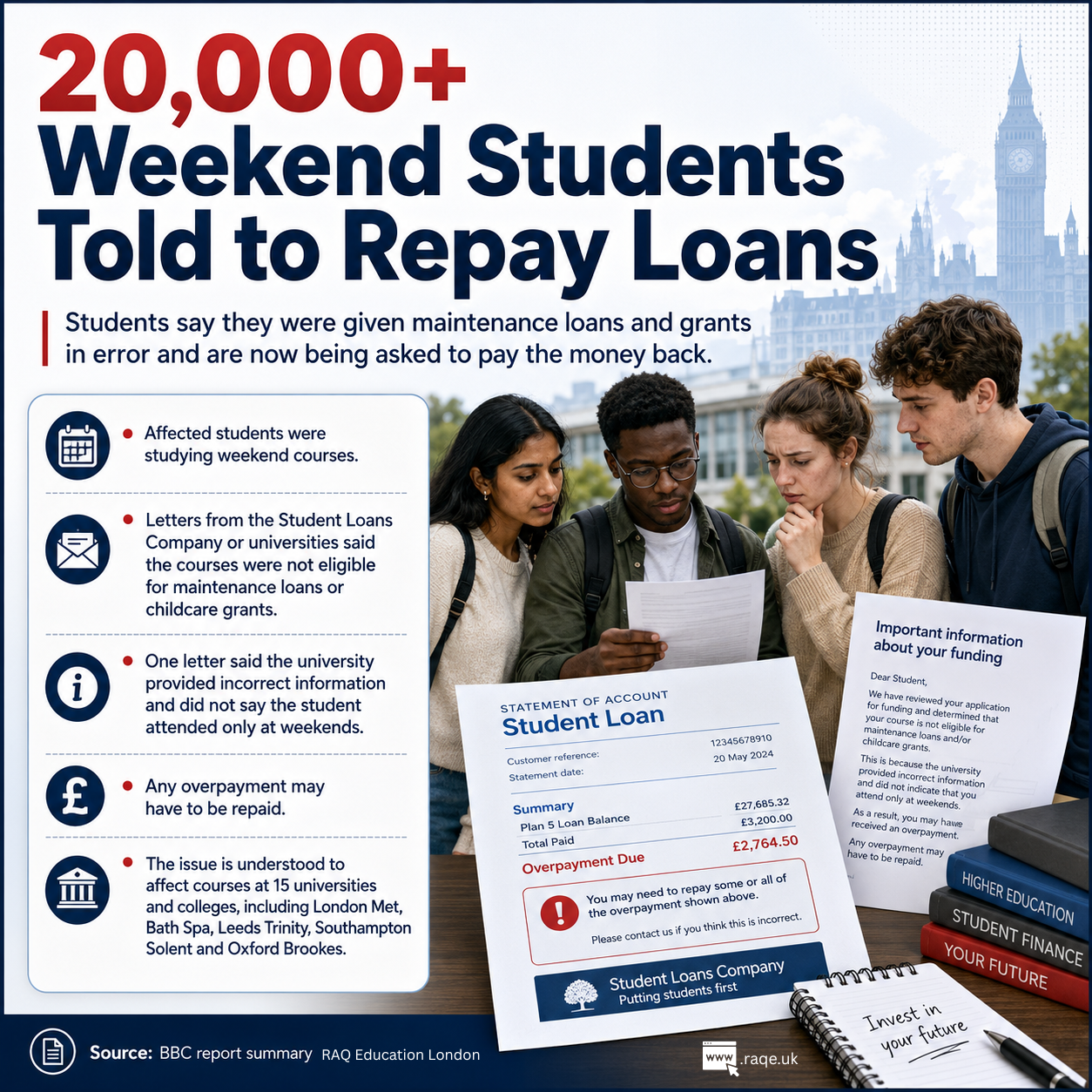
The Controversy of Maintenance Loans: 22,000 Students Face Repayment Claims
Understanding the Issue: What Are Maintenance Loans?
Maintenance loans are financial aids offered by the Student Loans Company (SLC) designed to support students in covering living expenses while they pursue higher education. These loans are particularly vital for students attending universities such as London Met, Bath Spa, Leeds Trinity, Southampton Solent, and Oxford Brookes, as they provide a means to manage costs associated with tuition, accommodation, and daily essentials.
The primary purpose of maintenance loans is to ensure that students have the financial resources necessary to sustain their studies without the burden of working excessive hours. These loans are generally subsidized by the government, thus enabling students from various socio-economic backgrounds to access higher education without incurring unsustainable debt.
The intended recipients of these loans are typically undergraduate students who are enrolled in eligible higher education institutions. The amount that students can borrow varies based on various factors, including their household income, the location of their university, and whether they live at home or independently. Consequently, students attending universities in larger cities may receive larger loans to offset the higher cost of living.
However, the financial implications of these loans can be profound. While they facilitate access to education, they also result in significant debt burdens that students may face after graduation. Many students find themselves grappling with repayment claims that arise from their loans, which can impact their financial future. This situation has become increasingly contentious, leading to discussions about the responsibilities of borrowers, the role of the Education Secretary Bridget Phillipson, and the policies surrounding student financing.
The Claim: Mis-selling of Maintenance Loans
Recent controversies surrounding maintenance loans have prompted serious discussions regarding the potential mis-selling of these financial products. The allegations state that many students, specifically those enrolled in institutions such as London Met, Bath Spa, Leeds Trinity, Southampton Solent, and Oxford Brookes, may have been misled during the application process for their maintenance loans. Mis-selling, by definition, occurs when a financial product is offered to consumers without adequate information concerning its terms, conditions, or implications, leading to such consumers making uninformed decisions.
Key elements that characterize mis-selling include inadequate disclosure of important terms, a failure to provide clear explanations about repayment conditions, and misrepresentation of the nature of the loan. In the case of the Student Loans Company (SLC), which manages and issues maintenance loans, it is crucial to ascertain whether students were genuinely informed about what their loans entailed, particularly regarding their repayment obligations. For many, especially those attending institutions like London Met or Bath Spa, the financial burden of student loans can be overwhelming, leading to claims of mis-selling if it can be shown that insufficient guidance was provided.
The rising number of complaints from the 22,000 affected students indicates a deeper issue that warrants investigation. Many claim they were promised grants or more favorable terms than those outlined in their agreements with the SLC. As the Education Secretary Bridget Phillipson addresses these grievances, it is essential to evaluate whether the miscommunication led to an environment where students felt pressure to accept loans without fully recognizing the financial implications.
Such scenarios reflect a broader concern within the education financing sector, especially as students seek support during their studies at various universities. The ramifications of these allegations may have long-lasting effects on students’ financial futures and the reputation of educational institutions.
Impact on Students: The Consequences of Repayment
The recent developments regarding the claims made by the Student Loans Company (SLC) have left approximately 22,000 students grappling with the prospect of repayment hurdles that they did not anticipate. The financial implications of these claims are particularly alarming for students from institutions such as London Met, Bath Spa, and Leeds Trinity, who believed their maintenance loans had been issued appropriately. Many of these individuals face uncertain financial futures, as the demands for repayment greatly disrupt their budgeting and financial planning.
For those affected, the consequences extend beyond mere financial instability. The stress and anxiety related to the prospect of repaying what many believed to be non-repayable loans can lead to significant emotional strain. Students may find themselves overwhelmed, worrying about their ability to cover future expenses, such as housing, tuition, and everyday living costs. This burden can adversely affect their academic performance, as the constant worry of repayment claims diverts their focus away from their studies. The psychological impact on these students is profound; heightened levels of stress can lead to mental health issues such as anxiety and depression.
Moreover, the implications for future financial stability cannot be overstated. Many students rely on these maintenance loans to support their living conditions while pursuing their education, engaging in work, or attempting to establish careers post-graduation. The ongoing stress over repayment demands can deter these individuals from making significant financial commitments, such as buying homes or saving for retirement. Universities like Southampton Solent and Oxford Brookes find themselves needing to provide additional support services to help students manage this crisis. Ultimately, the knock-on effects of these repayment claims raise pressing questions about the fairness and reliability of the student loan system as a whole.
Possible Solutions and Next Steps for Affected Students
The recent issues regarding the repayment claims affecting 22,000 students have raised significant concerns regarding the integrity of the student loans company (SLC) processes. For those impacted, it is essential to explore potential solutions and immediate next steps that can help mitigate the situation.
Firstly, affected students may consider appealing the claim through the SLC’s formal appeal process. The SLC provides guidelines on how students can present their case, including deadlines for submission. Each university, such as London Met, Bath Spa, Leeds Trinity, Southampton Solent, and Oxford Brookes, may also have their own support services to assist students navigating this process, assisting them with necessary documentation and guidance.
In addition, seeking legal advice is a prudent step for those uncertain about their obligations or rights in this situation. Legal professionals who specialize in education or financial disputes can provide crucial insights and strategies that may not be readily apparent to students. Many universities also offer legal clinics or partnerships with legal support services that students can access free of charge.
The response from universities and governmental bodies is also critical in the coming weeks. Institutions like Bath Spa and Southampton Solent might work alongside the SLC to clarify the legitimacy of claims and ensure that such incidents do not recur. Increased communication and transparency in loan distribution and repayment guidelines can bolster trust among students.
Furthermore, students are encouraged to stay informed about their rights and financial responsibilities. Enrolling in financial literacy programs can equip students not only with knowledge about handling student loans but also with skills to avoid similar issues in the future.
In conclusion, while the situation regarding the SLC and the related repayment claims is troubling, there are actionable steps students can take. By appealing claims, seeking legal counsel, and engaging with their universities, those affected can work toward a resolution and safeguard their financial futures.
Tag:student loans




 RAQ Education London